New Numbers, Same Traditions
The village traded a charming quirk for something more valuable: an addressing system that helps first responders reach an aging population faster.
The views expressed in this opinion are the author's own.
On Sept. 10, 2026, Carmel-by-the-Sea did something it had avoided for 110 years: it gave its buildings street addresses. The city council had voted 5-0 to adopt the system in late 2025, and the final map was approved by the U.S. Postal Service's Address Management Service. City Hall itself is now 662 Monte Verde St., and property owners have six months to display their numbers.
The case for the change was never about convenience. Acting Assistant City Administrator Marisa Bermudez cited first-responder response times, and in a city with a median age of about 68 or 69, that argument carries its own weight. When someone calls for help, the people answering need to find the door, and they need to find it fast.
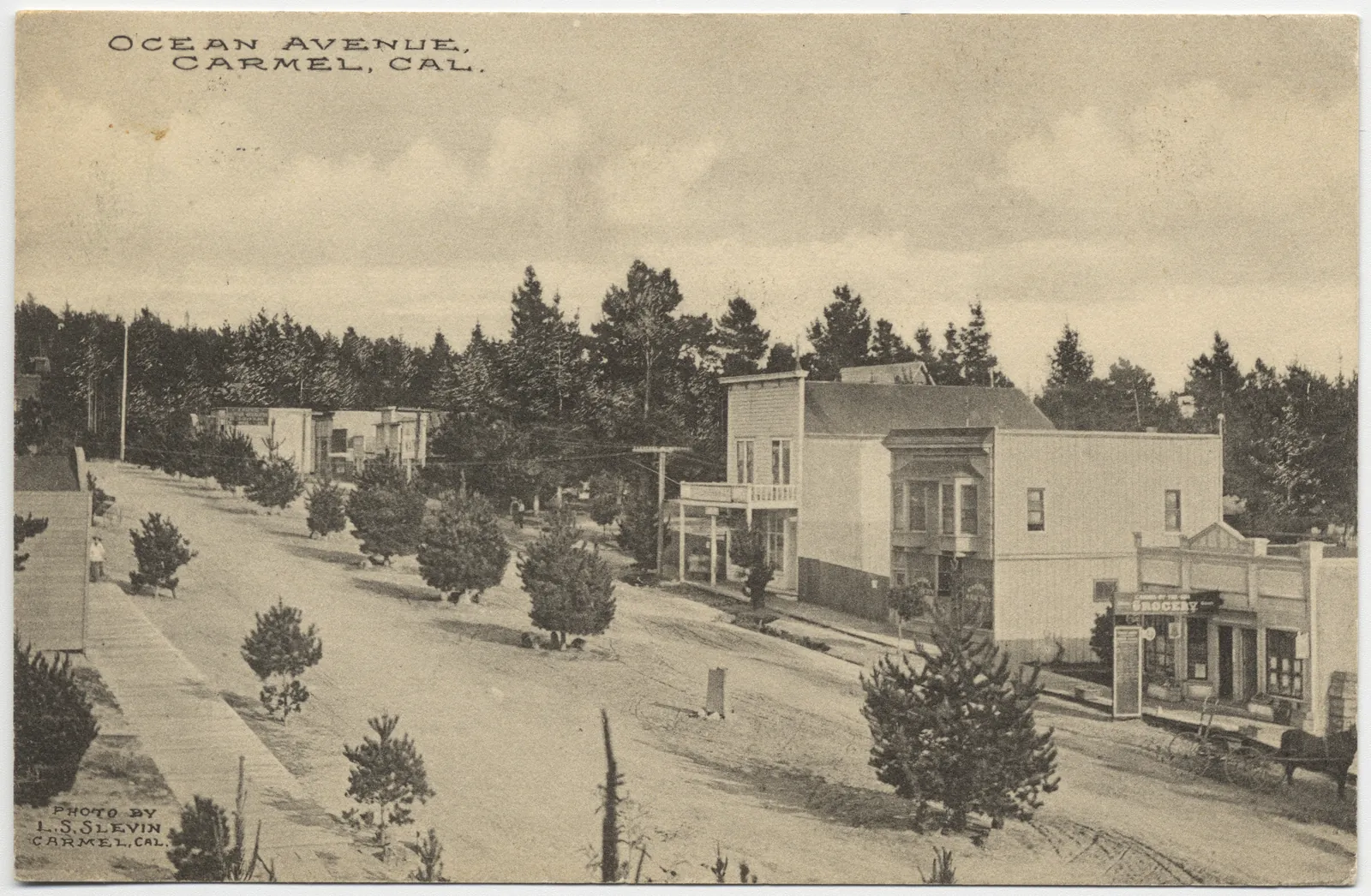
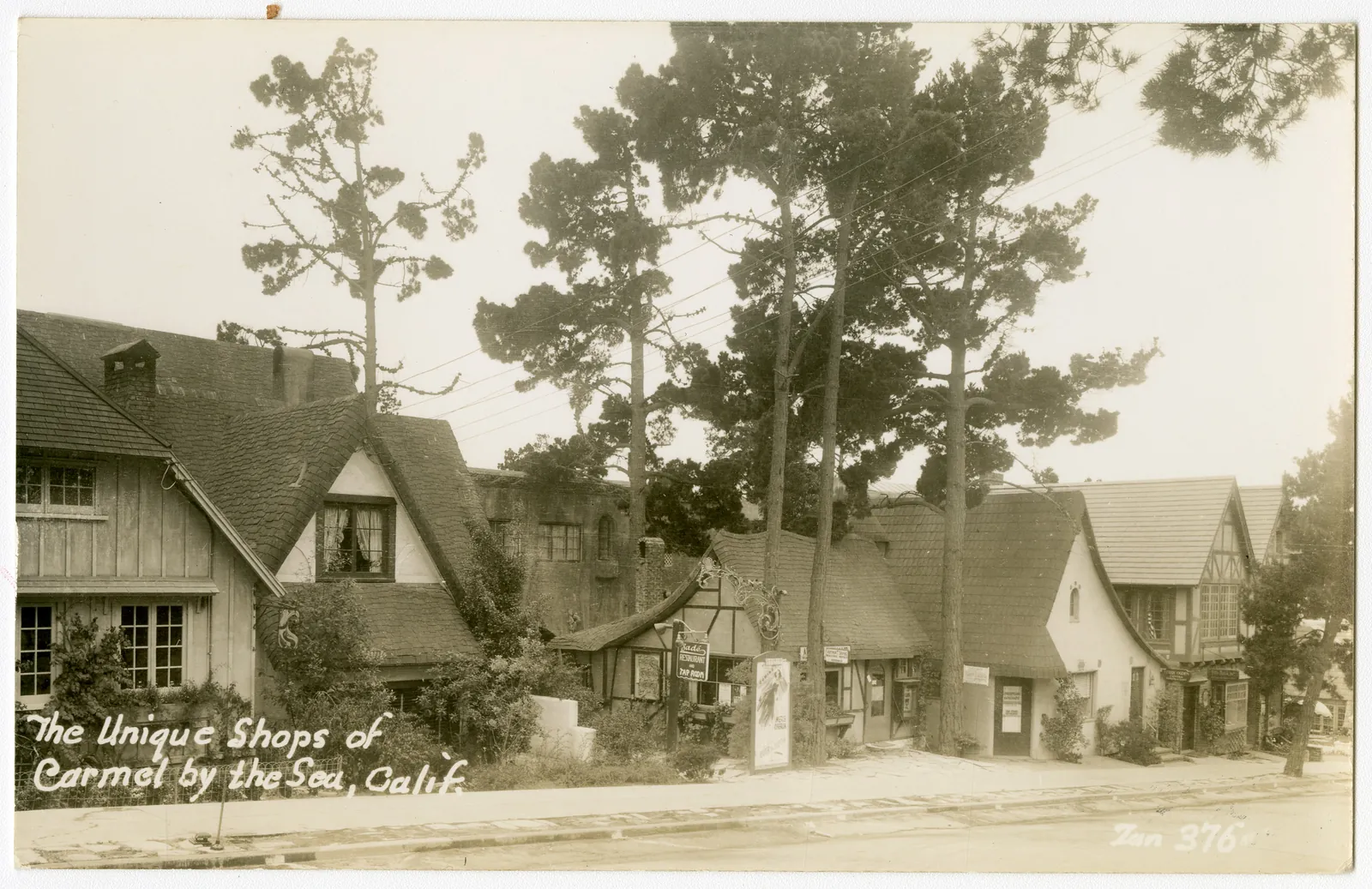
This page has no quarrel with nostalgia, but nostalgia is not a life-safety strategy. For 110 years, the absence of street addresses was one of Carmel's most charming quirks, the kind of detail visitors remembered and residents repeated with pride. It was also, by the city's own account, a system that cost first responders time.
Note the vote: 5-0. Whatever residents feel about the change now, the council adopted it unanimously in late 2025, which suggests the safety argument carried the day without dissent.
The trade the village made is straightforward, and it was the right one. Carmel gave up a quirk and gained something more valuable: an addressing system that helps responders reach an aging population faster. Charm is worth a great deal. It is not worth a delayed ambulance.
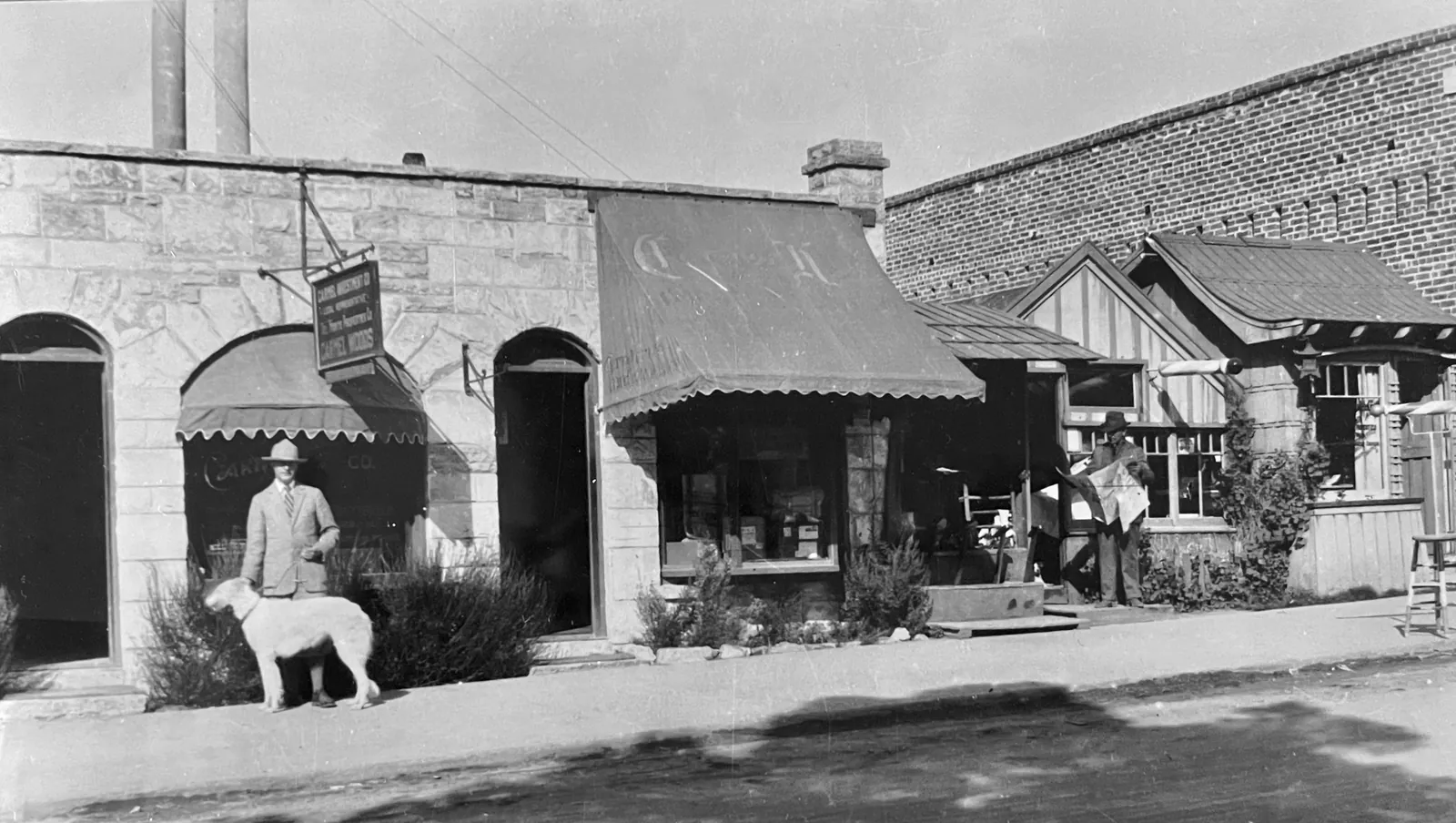
And here is the part the lament overlooks: the old Carmel is still intact where it matters most. Mail still goes to P.O. boxes. The daily ritual that defined the village's relationship with the outside world, the trip to the post office, the box number as a small piece of identity, survives untouched. The numbers on the buildings are for emergencies and deliveries. The boxes remain for everything else.
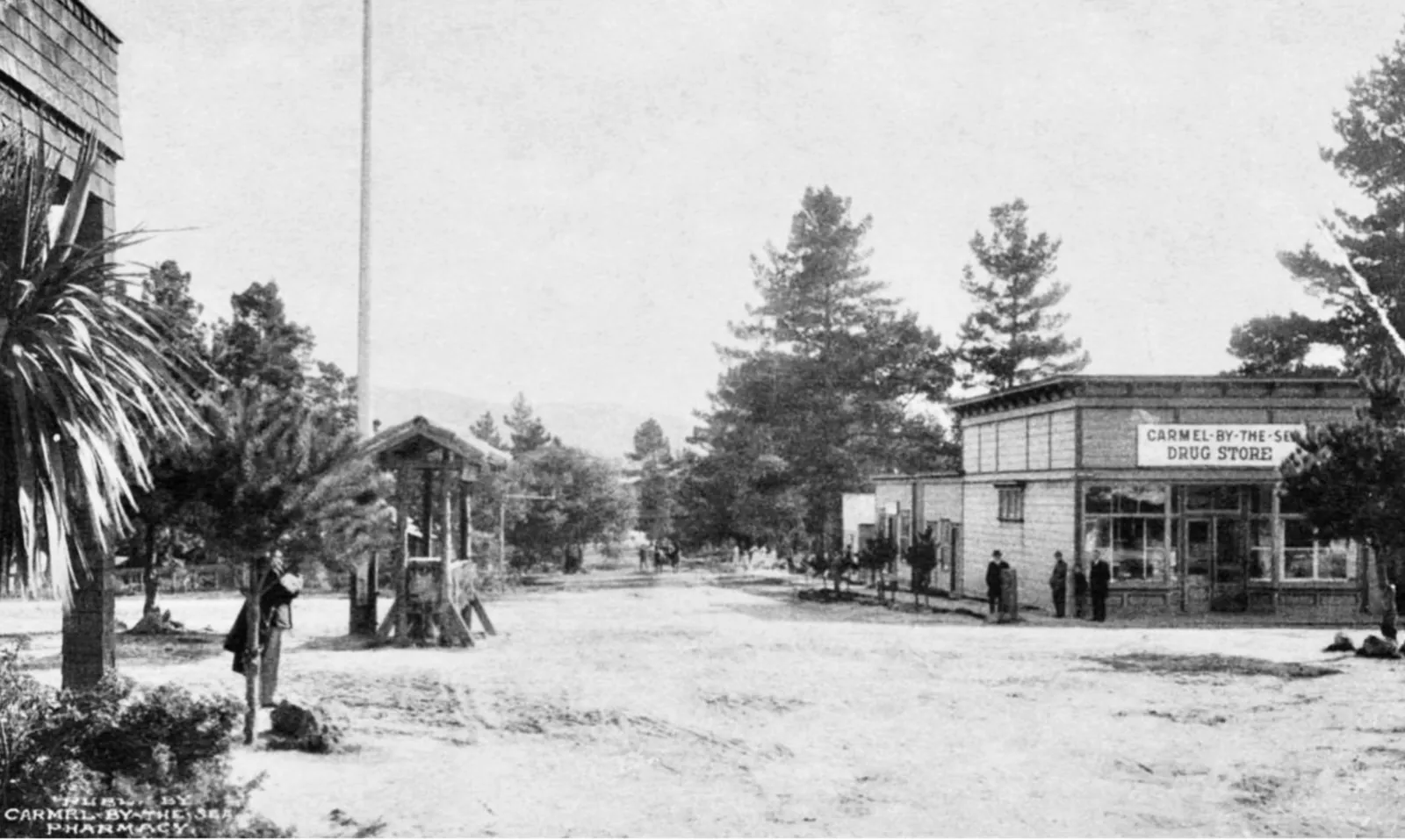
The city's framing for the change is "new numbers, same traditions," and for once the slogan is accurate. Six months to post a number is a gentle transition, not a rupture. The change asks little of daily life in the village, and it asks nothing of the traditions people actually live with.
There will be those who mourn the quirk, and they are entitled to their mourning. But a tradition that endangers the people it charms is not a tradition worth defending at full strength. Carmel kept the P.O. boxes, the village, and the story. It fixed the part that could hurt someone.
There is also something to be said for how the change was handled. Property owners have six months to display their numbers, a grace period that treats the transition as a practical adjustment rather than an overnight mandate. The city asked for compliance, not for enthusiasm, and that modesty suits the scale of what actually changed.
One hundred and ten years without a street address was a good story. Being findable when it counts is better. The village traded a charming quirk for something more valuable, and the P.O.-box tradition keeps the old Carmel intact where it matters.
We correct errors promptly and note them here. Send corrections through the contact form on our contact page.