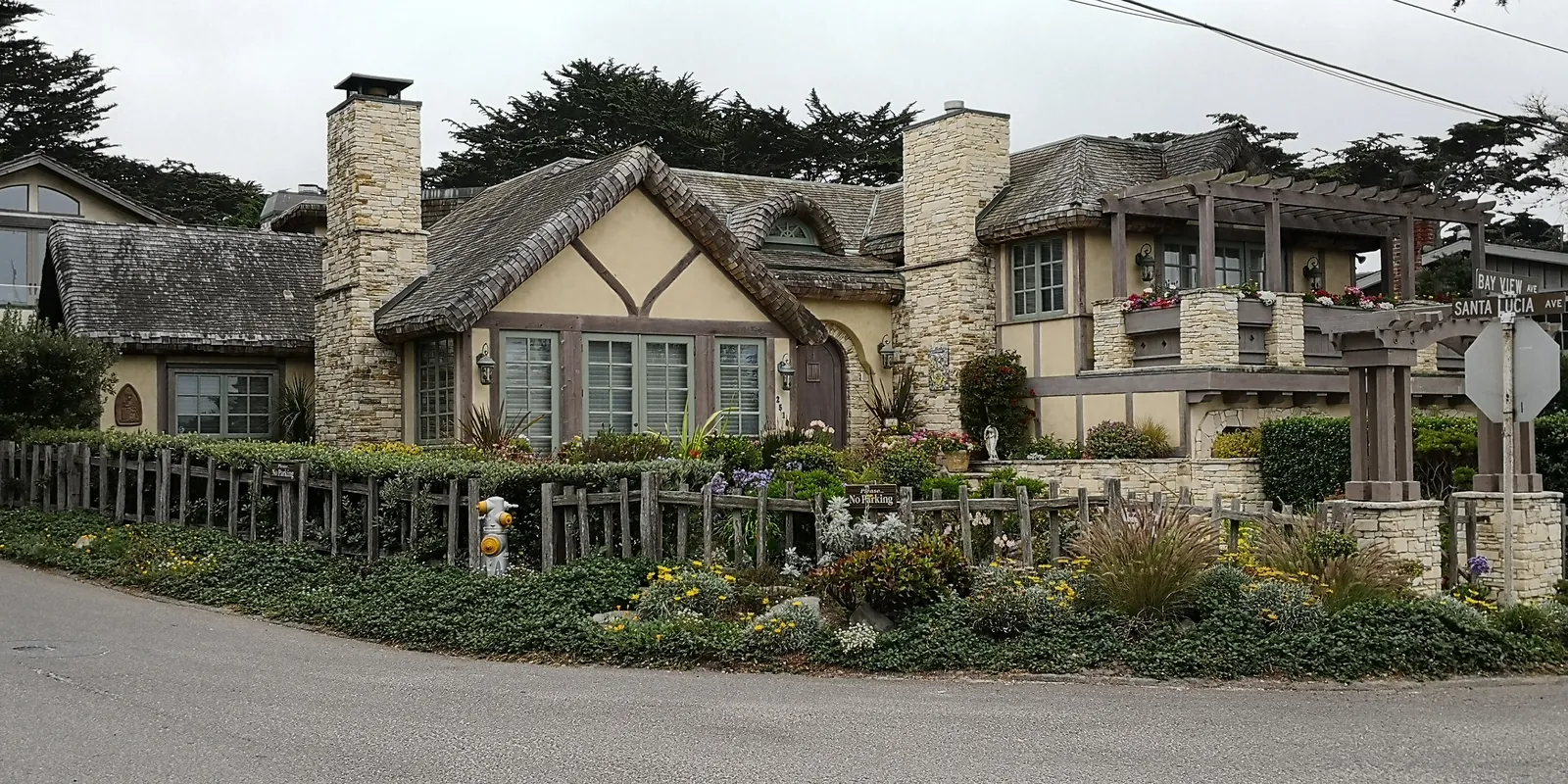
Carmel Street Addresses Go Live, Ending 110 Years Without Numbers
On Sept. 10, 2026, homes in Carmel-by-the-Sea received numbered street addresses for the first time, a change driven by emergency response times.
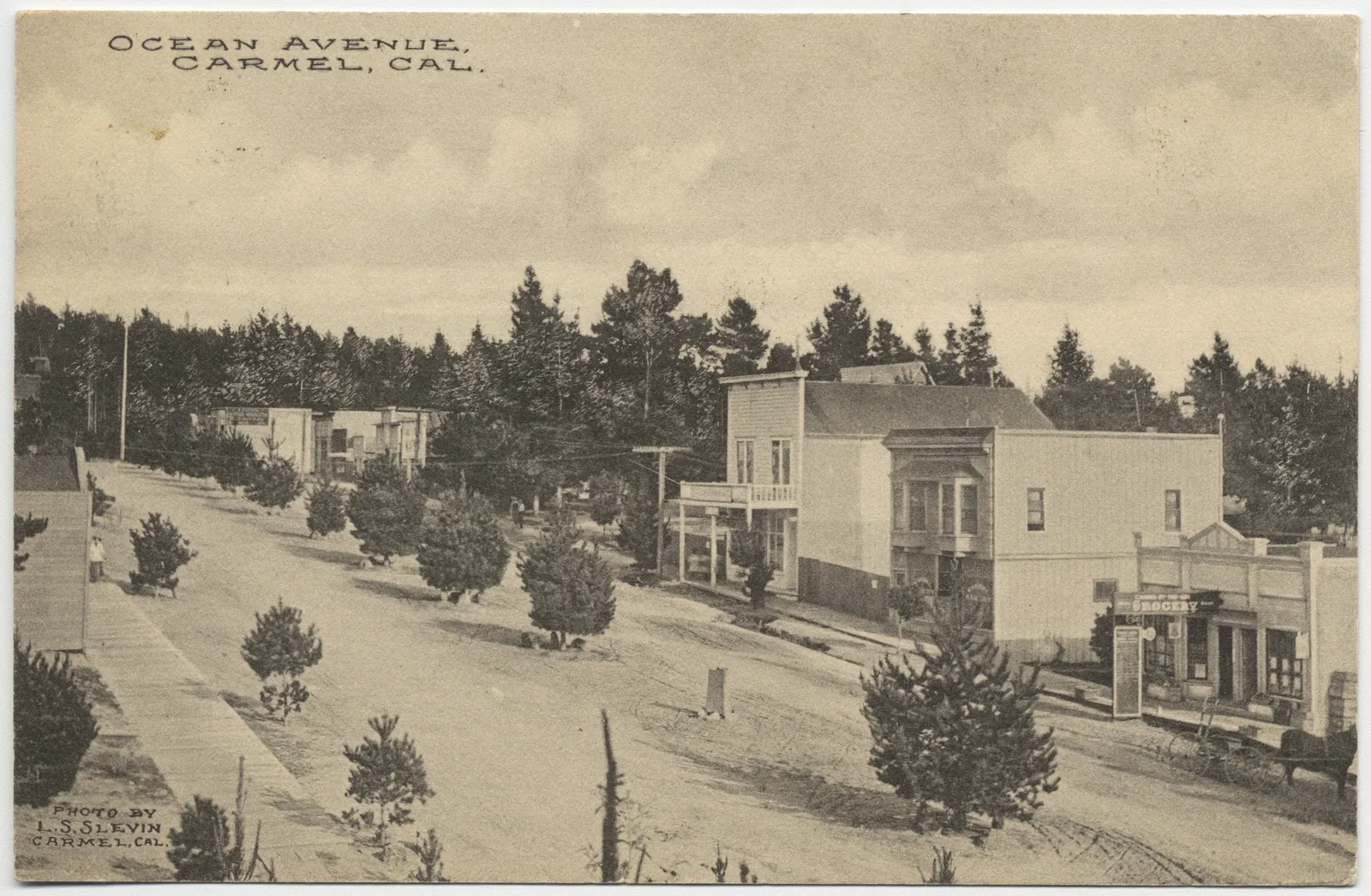
For the first time in its 110-year history, Carmel-by-the-Sea has street addresses. On Sept. 10, 2026, the city's new numbering system officially went live, replacing the century-old custom of identifying homes by cross-street descriptions such as "Ocean Avenue near Dolores." Every residence now carries a number on a named street, and the city's own address book has been rewritten overnight.
The change arrives after a unanimous 5-0 vote by the Carmel-by-the-Sea City Council in late 2025 to adopt street addresses. The final map was approved by the U.S. Postal Service Address Management Service, which signed off on the numbering plan before it could take effect. City Hall itself now sits at 662 Monte Verde St., an address that replaces the longtime description "Monte Verde between Ocean and 7th."
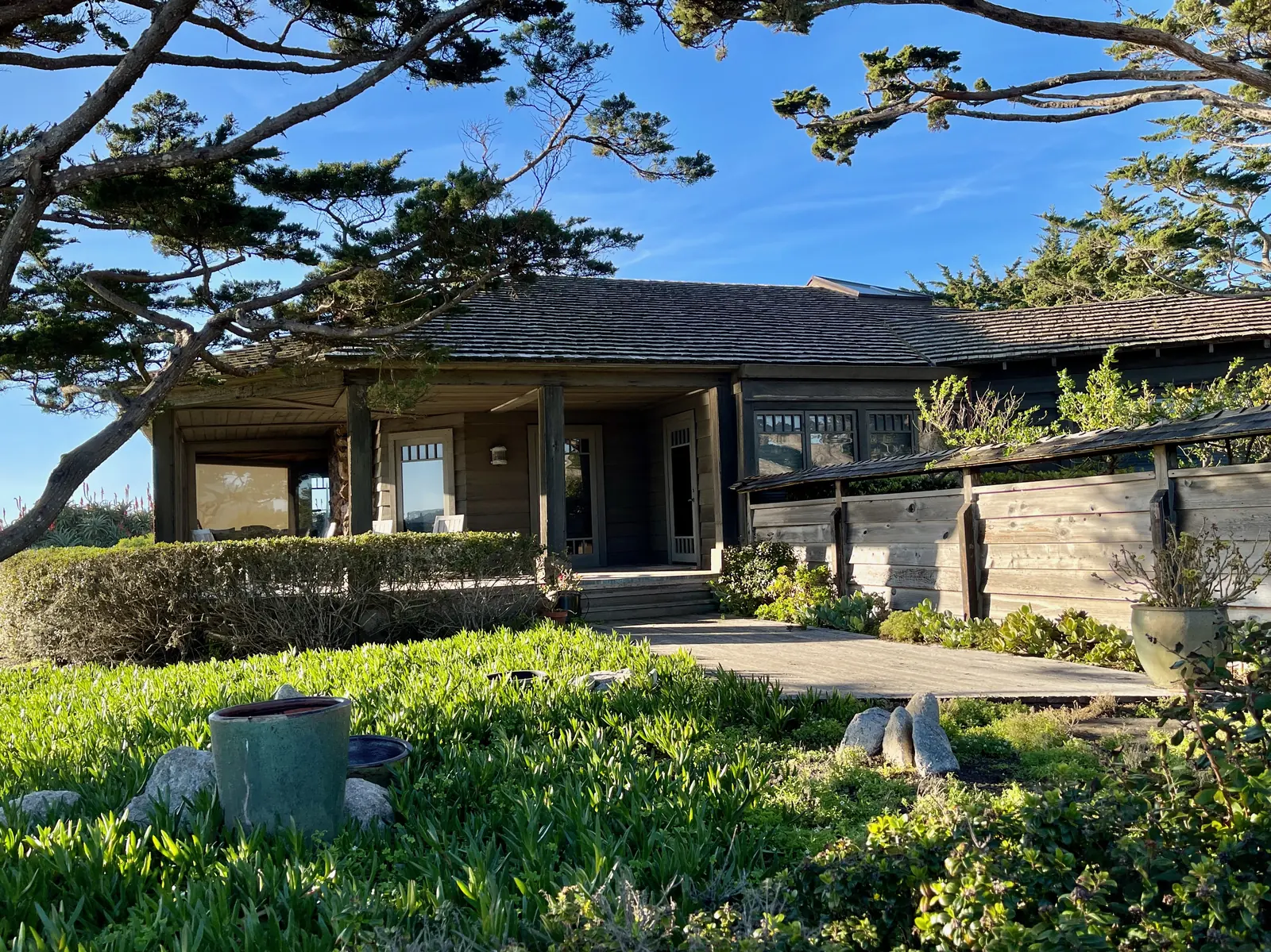
The driving force behind the shift was public safety. Acting Assistant City Administrator Marisa Bermudez cited first-responder response times as the primary reason for the move, pointing to the risk that ambulances, fire crews, and police officers could lose critical minutes hunting for an unmarked house described only by its relation to nearby cross streets. The argument carried particular weight in a city where the median age sits at about 68 to 69, making swift emergency access a central concern for residents and officials alike.
Property owners have six months to display their new numbers in compliance with fire and building codes, meaning every home in the village will need to show its address by the spring of 2027. The city has made clear that the physical display of numbers matters as much as the assignment: a number that exists only on a map does no good for a fire crew answering a call at night.
Some traditions remain untouched. Mail will still go to P.O. boxes, preserving the daily ritual of the village post office that residents have long treated as a social institution as much as a practical one. The new numbers change how a house is found, not how its letters arrive, and the city has leaned on that distinction to reassure residents who feared the character of Carmel would be lost along with the old system.
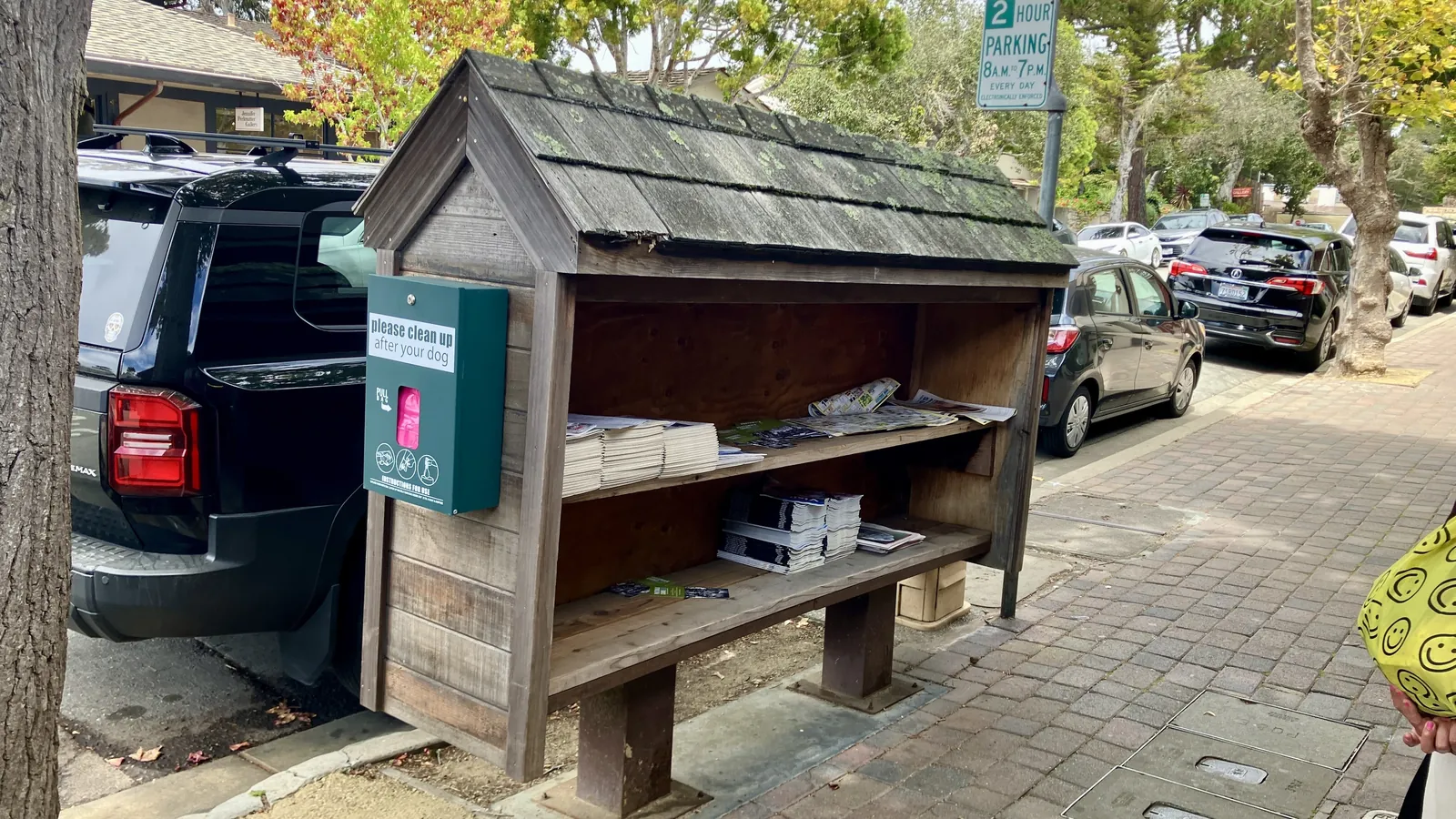
That framing has become something of a slogan. The city has described the transition as "new numbers, same traditions," language reported by the Weekly, casting the change as an administrative update rather than a cultural rupture. For a village that spent more than a century resisting addresses on principle, the message is that the quirk of being address-free was never the point of Carmel, and its spirit does not live or die in a house number.
The adoption was not without sentiment. Carmel's lack of street addresses was famous well beyond the Monterey Peninsula, a deliberate eccentricity that survived mail-order catalogs, GPS navigation, and the entire digital age. Visitors delighted in the puzzle of it, and residents defended it as part of what made the village different from every other well-kept suburb on the California coast.
What ultimately mattered more was the clock. In an emergency, minutes decide outcomes, and a city of older residents could not afford ambiguity in its own streets. The numbers are live, the deadline is set, and the village enters its 111th year with an address on every door and the same traditions it insists it has always kept.
We correct errors promptly and note them here. Send corrections through the contact form on our contact page.