Carmel Adopts Interim Home-Hardening Rules as Wildfire Threat Sharpens
An urgency ordinance requires ember-resistant vents, fire-safe windows, gravel buffers and stricter combustible storage across the whole village, effective immediately.
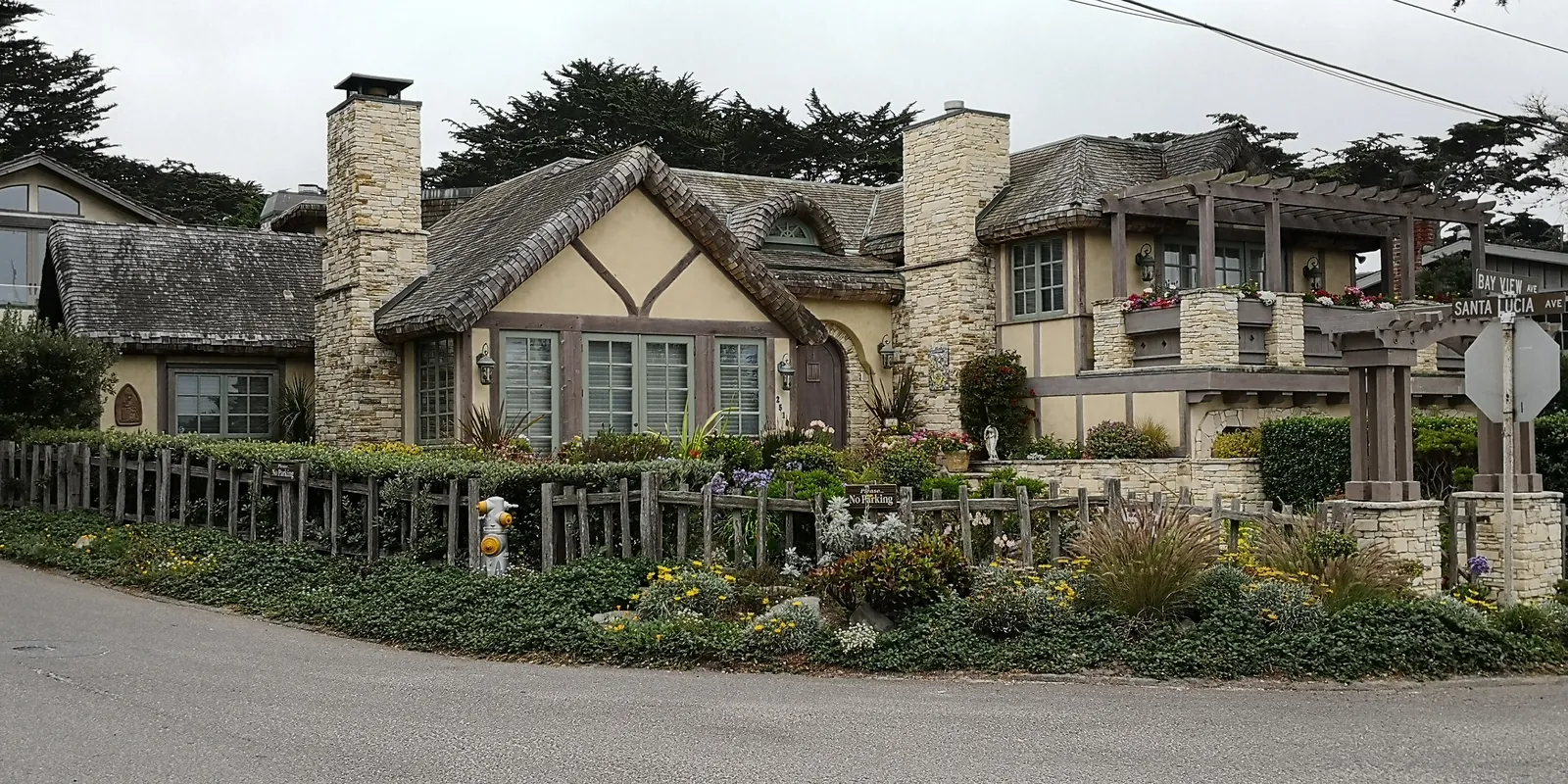
The Carmel-by-the-Sea City Council has adopted an urgency ordinance imposing interim home-hardening measures across the entire city, a move officials framed as necessary preparation for a wildfire threat that no longer respects the old hazard-zone maps. The ordinance took effect immediately upon adoption at the council's Sept. 2 meeting.
The ordinance carries four measures, drawn from recommendations of the city's Wildfire Prevention Committee and an Aug. 4 council policy discussion. Engineered gravel within five feet of structures is now treated as non-combustible and excluded from site-coverage calculations, a change meant to let homeowners build ember-safe buffers without tripping lot-coverage limits. Rules on the storage of firewood and other combustibles are tightened. Ember-resistant vents become mandatory, and window replacements or alterations must use more fire-resistant glazing.
What makes the ordinance notable is its reach. Carmel is not uniformly mapped in very high, high or moderate fire hazard zones, and only a portion of the village sits in the wildland-urban interface where state hardening rules already apply. The council applied the interim measures citywide anyway, on the logic that wind-driven embers do not check a parcel's zone designation before landing on a roof.
The rules are not retroactive. Staff stressed that they apply prospectively, when owners replace or alter the covered components, and they include exceptions where strict compliance would conflict with the Secretary of the Interior's standards for historic properties. That carve-out matters in a village where the historic housing stock is itself a civic treasure, and where fire safety and preservation have collided before.
Council members chose the urgency route deliberately, and the debate over that choice revealed the stakes. When the measures were first discussed in August, some suggested the city should instead pursue a permanent ordinance through the Planning Commission. Councilmember Hans Buder countered that a permanent ordinance would also require Coastal Commission review, stretching the timeline dramatically. "So it's not now versus two months from now. It's now versus a year from now," Buder said, adding that the urgency ordinance will sunset once a permanent ordinance is adopted.

The ordinance is explicitly a bridge. Council members described it as an interim step pending adoption of revised design guidelines that will capture additional fire-safety standards. Acting city administrators framed implementation in practical terms, telling residents that if a project requires a permit, staff will help them through it.
The context is a village built of wood and trees in a state that burns. Carmel's canopy is its identity, but in a high-wind fire event, the same forest that defines the town becomes the fuel ladder that threatens it. Home hardening does not ask residents to cut the forest; it asks the houses to survive it. Gravel buffers, sealed vents and tempered glazing are unglamorous upgrades, but fire science keeps returning to the same finding: most homes lost in wildfires ignite from embers, not from walls of flame.
Residents who want to see the requirements in detail can review the city's wildfire hardening materials, and the Sept. 2 council meeting is available for viewing on the city's YouTube channel. The permanent ordinance, with its longer review path, is still to come. For now, the village has chosen speed over completeness, and the clock on the next fire season is the argument that won.
We correct errors promptly and note them here. Send corrections through the contact form on our contact page.