A Newcomer's Guide to Carmel-by-the-Sea's Neighborhoods
One square mile, one main street, and a beach at the foot of it: an orientation to the village's geography.
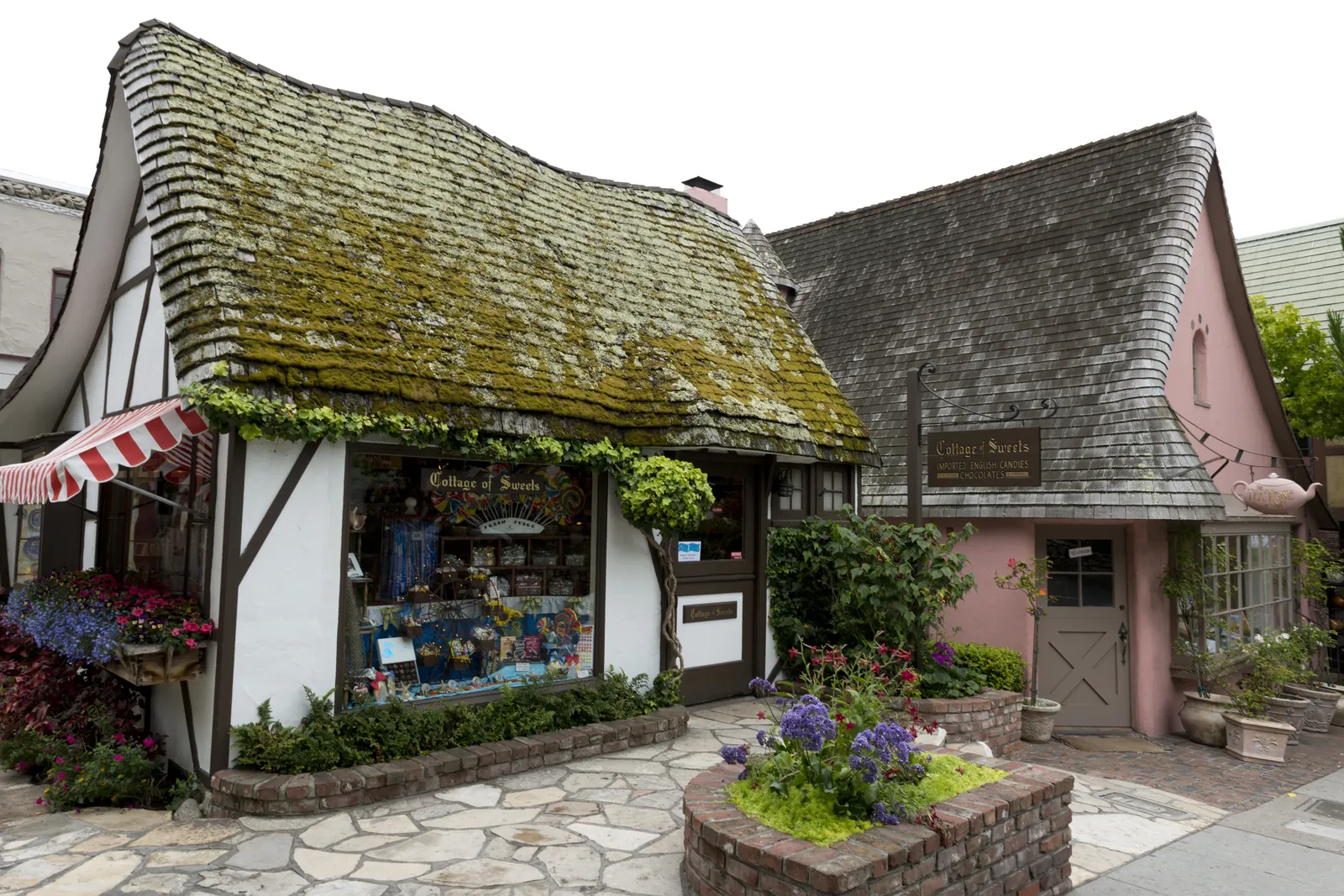
Carmel-by-the-Sea is a compact village of about one square mile, small enough to cross on foot and organized in a way that rewards walking. For newcomers, the geography is simple: learn Ocean Avenue, learn the beach, and the rest falls into place.
Ocean Avenue is the commercial spine. It runs from Monte Verde down to the beach, lined with the shops, galleries, and restaurants that make up the village's downtown. If an address or a meeting point is on Ocean Avenue, it is on the main street, and nearly every visitor's first walk starts there. It is the village's living room and its main street in one.
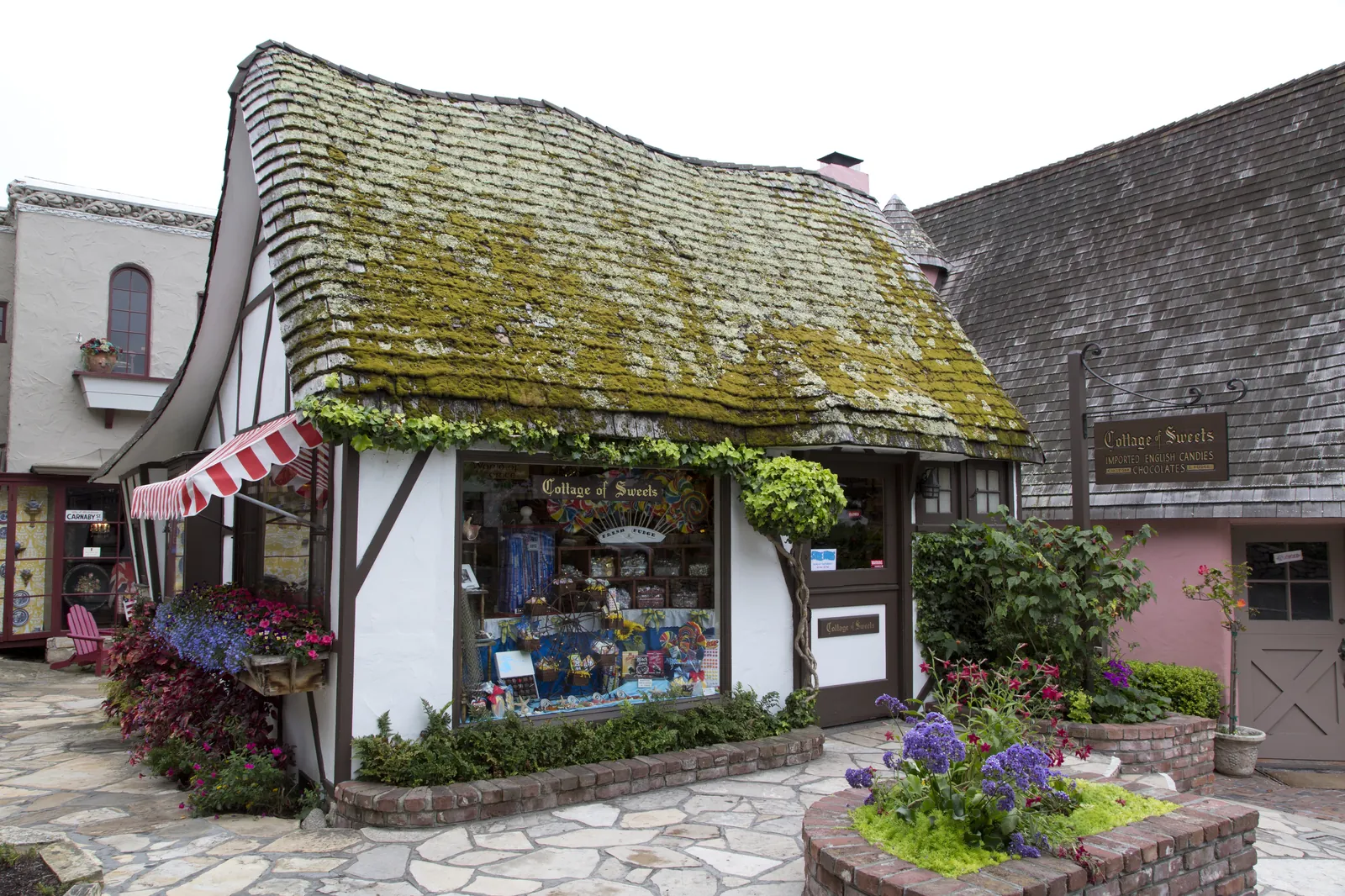
Off the avenue, the residential neighborhoods are organized by named streets and avenues in the village's traditional grid. The street names are the orienting system here. Learning a few of them goes a long way toward feeling like a local, and giving directions by street corner is the native language.
At the foot of Ocean Avenue lies Carmel Beach, the city beach and the village's western edge. Everything in the village tilts, one way or another, toward the water, and the beach is the shared backyard for the whole square mile. Most orientation in Carmel is really orientation to the beach: toward it, away from it, or along it.
To the south lies Carmel Point, a residential neighborhood that extends the village along the coast. It is quieter than the commercial core around Ocean Avenue, and its position gives residents some of the village's most direct contact with the shoreline.
Just beyond the village stand the gates to the Del Monte Forest and Pebble Beach. They are useful landmarks for orientation: the village ends and the gates begin, and the roads beyond them lead into the neighboring communities.
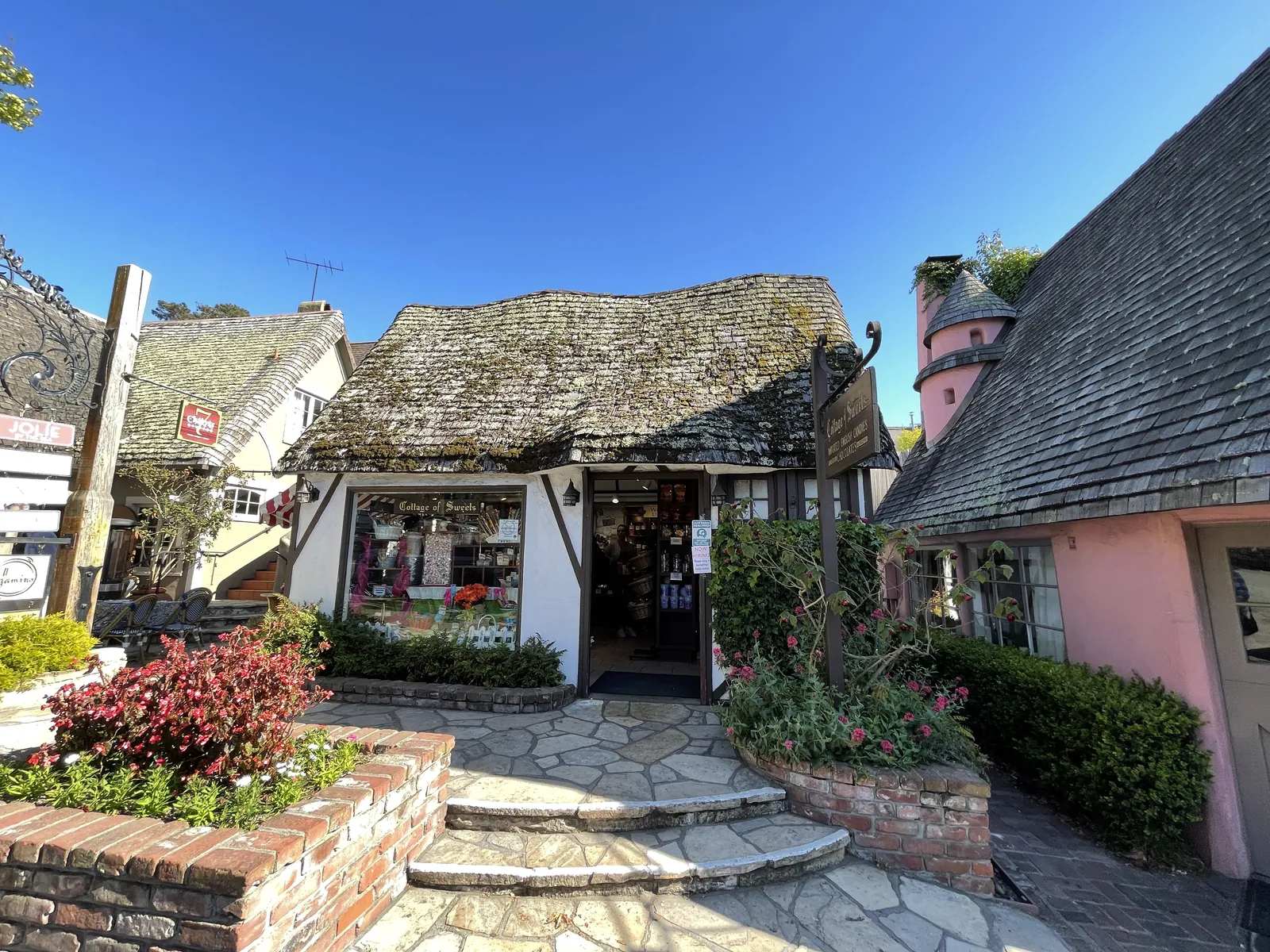
Inland lies Carmel Valley, a short drive from the village and a different landscape entirely. Where the village is compact and walkable, the valley spreads out, and the two places function as complements to each other.
The practical advice for newcomers is simple: park once, walk everywhere, and use Ocean Avenue as the reference line. North and south of it, the streets and avenues start to feel familiar quickly, and the beach is never more than a short stroll away.
The grid itself is part of the charm. Streets run one way, avenues the other, and the names are evocative enough to stick after a single walk. Newcomers who learn the handful of streets around their own block will find the rest of the village unfolds naturally from there.
None of this requires a car, and that is the point. The village rewards the pedestrian pace: the commercial core, the residential streets, and the beach are all scaled to walking, and the geography only makes sense at that speed. Give it a week of walking and the village stops feeling like a maze of charming streets and starts feeling like a neighborhood, which is the real orientation: not a map, but the habit of moving through the square mile on foot.
We correct errors promptly and note them here. Send corrections through the contact form on our contact page.