'Saving Walden's World' Screens in Carmel Tonight, With Its Director in the Room
The documentary follows Jim Merkel from a Central Coast arms job to an off-grid Maine homestead and on to Kerala, Cuba and Slovenia, looking for communities that built stability around women's literacy, health care and education. It plays at 6:30 p.m. at the Unitarian Universalist Church of the Monterey Peninsula, free, with a question and answer session afterward.
A documentary built around one father's question, what kind of world is being left to the next generation, plays in Carmel tonight. Saving Walden's World screens Tuesday, October 20, at 6:30 p.m. in the sanctuary of the Unitarian Universalist Church of the Monterey Peninsula, 490 Aguajito Road, according to the church's host listing and its weekly newsletter. The screening is free and open to the public. Registration is encouraged, walk-ins are welcome, seating is limited to 100, and a question and answer session with director Jim Merkel follows the film, according to the host listing.
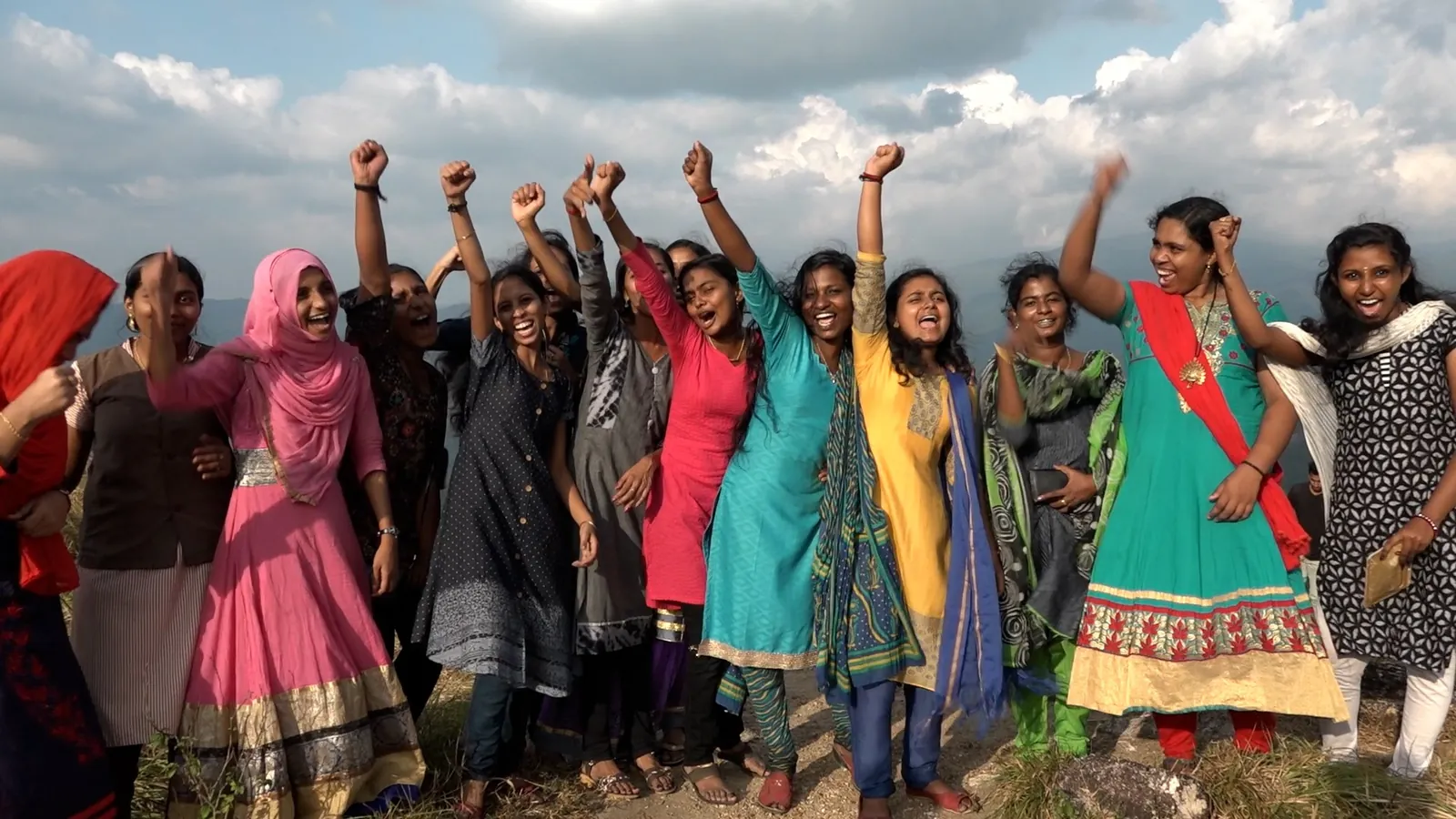
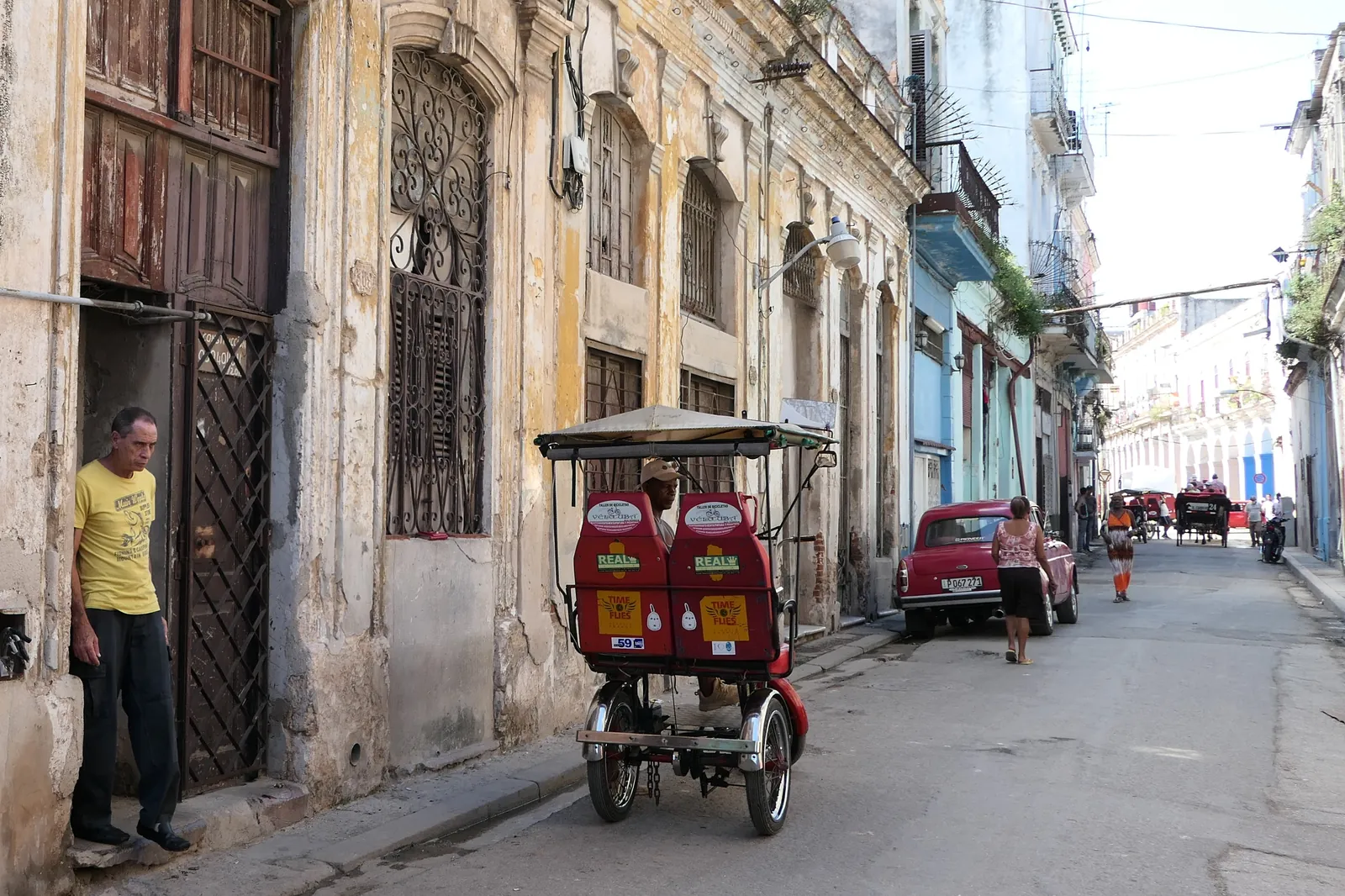
The film follows Merkel, a former military engineer, as he raises his son Walden on an off-grid homestead in Maine and travels to three places that took a different path: Kerala in India, Cuba, and Slovenia. In each, he investigates how communities achieved a measure of genuine stability by putting women's literacy, health care and reproductive freedom first, and what that record might mean for wealthier countries, according to the host listing and the film's own site.

Merkel's story starts, in the film's account, on this coast. Its turning point comes in San Luis Obispo in the late 1980s, where he was working as a military engineering arms dealer and had what the host listing describes as an ethical crisis. He left that work for peace activism, serving as a board member of ECOSLO, chairing the Santa Lucia Chapter of the Sierra Club, and founding the local Alternative Transportation Task Force, according to the listing. The Carmel screening is billed by the hosts as a homecoming for that reason: the journey the film documents began a short drive south of the room where it plays tonight.
The film's argument, set out on its own site, is that the three societies it visits reshaped daily life around women: free college, access to contraception, maternity leave, child care, dentistry and health care, in places that are far from affluent. Land reform, literacy and universal higher education sit underneath those services, the film says, and the results it points to are lower infant mortality and poverty alongside increased longevity. Merkel frames the trip as a search for a workable alternative, undertaken while raising a son who is himself a budding scientist.
The Carmel date sits in the middle of a California run. The film played Goleta on October 17 and San Luis Obispo on October 18, and it moves on after tonight to the United Nations Association Film Festival in East Palo Alto on October 21, according to the film's screening schedule. The church's newsletter notes that the documentary has screened at 23 international film festivals and won 14 awards, and the host listing adds that it has been accepted for national distribution on PBS via NETA, which makes tonight a chance to see it in a small room, with its director present, before it reaches a national audience. Donations toward the film's global impact campaign are welcome, according to the hosts.
We correct errors promptly and note them here. Send corrections through the contact form on our contact page.