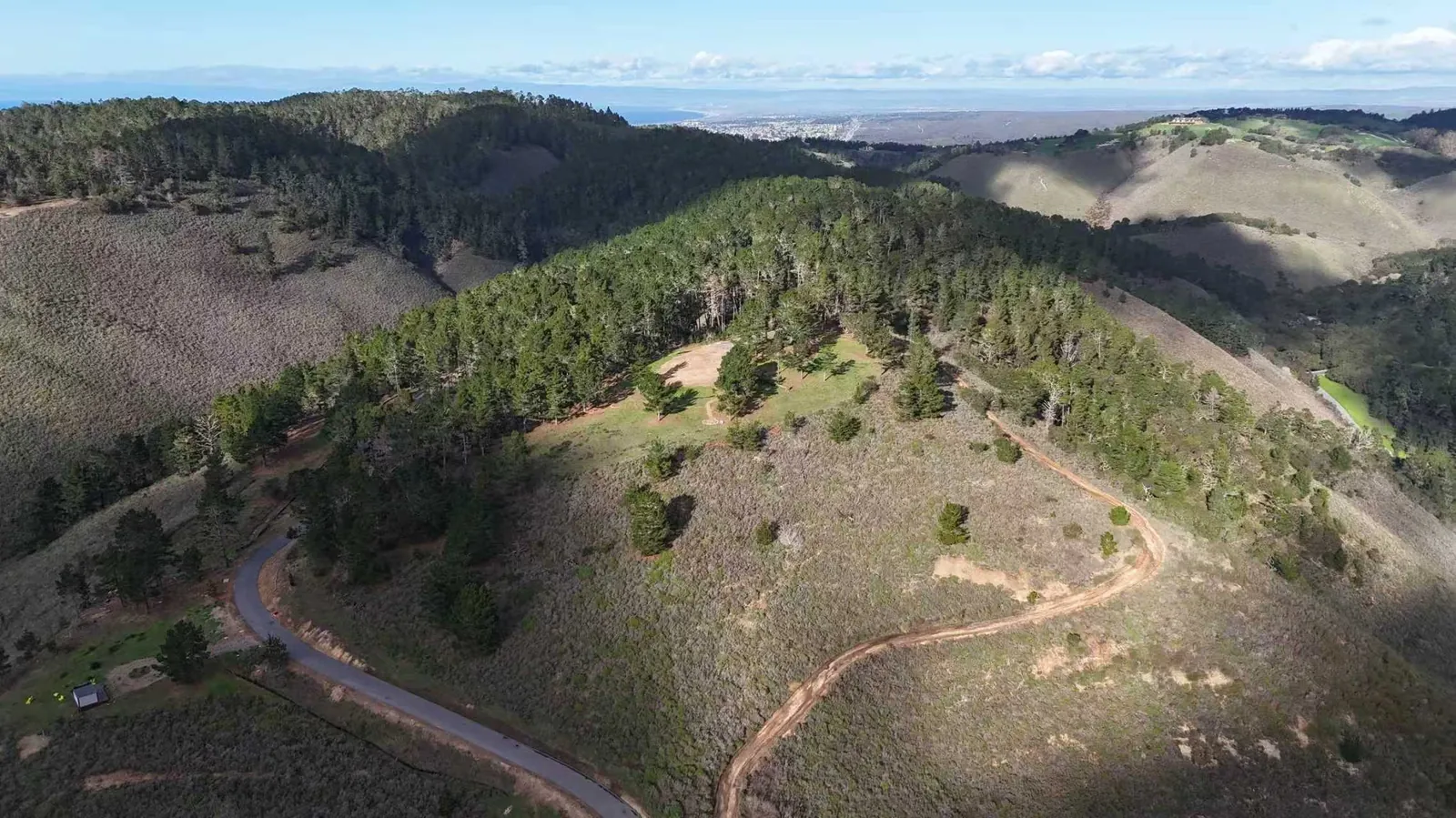
Planning Commission Approves 74-Unit Builder's Remedy Subdivision on Valverde Road
The Carmel Valley project would build 59 market-rate homes and 15 deed-restricted affordable townhomes under the state's builder's remedy, with water supplied through a Cal Am wheeling agreement.
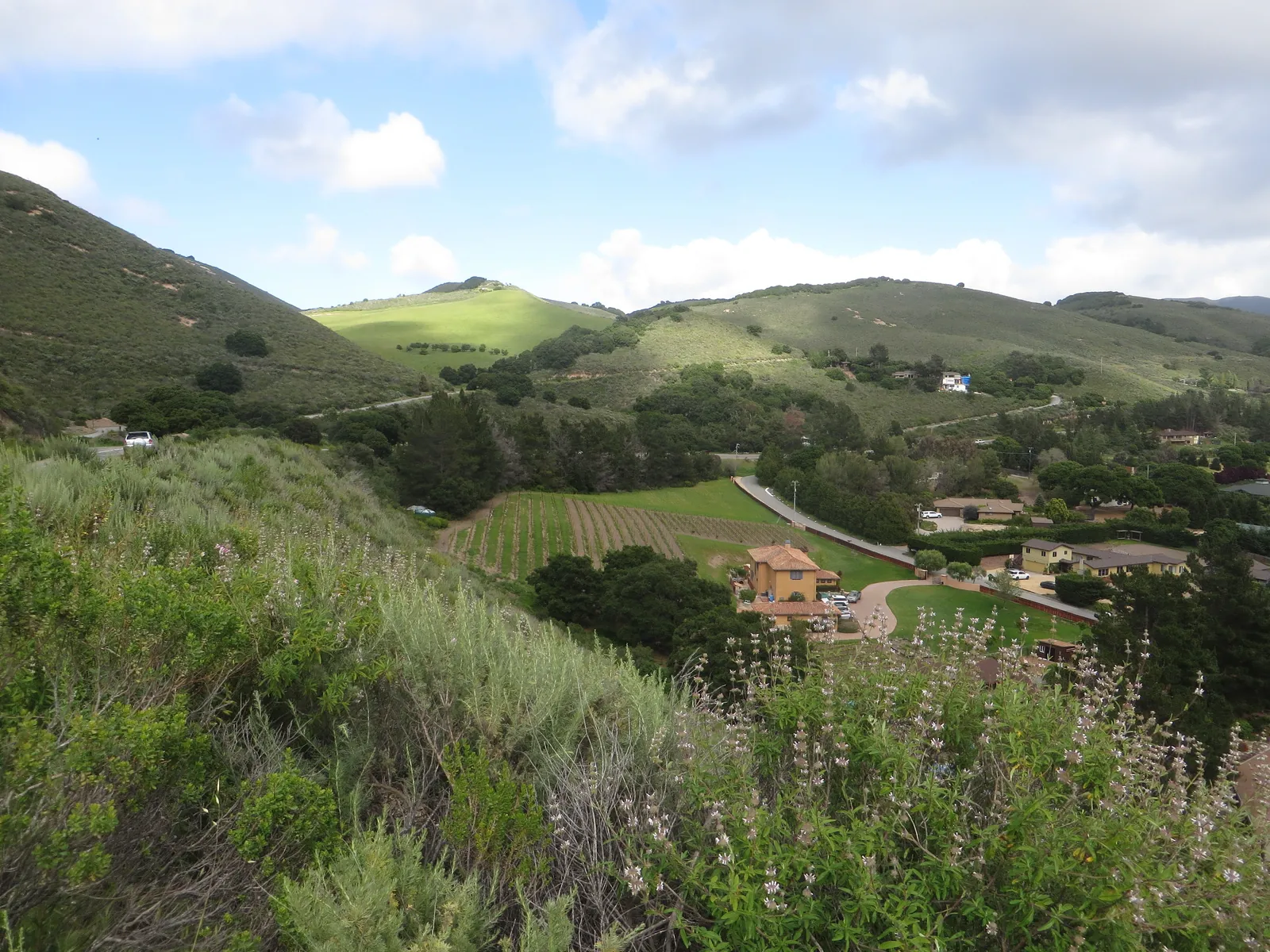
The Monterey County Planning Commission has approved a 74-unit subdivision on Valverde Road in Carmel Valley under the state's builder's remedy, a provision that lets housing projects bypass local zoning when a jurisdiction falls short of its state housing obligations. The project calls for 59 market-rate homes and 15 deed-restricted affordable townhomes on a site where base zoning would have allowed roughly a dozen lots.
The approval followed a heated debate over flooding, traffic and water, the three issues that dominate nearly every Carmel Valley development fight. The commission certified a mitigated negative declaration for the project and granted waivers for lot size, coverage and density, the concessions that make the builder's-remedy path viable for a project of this scale on a constrained site. The site sits in unincorporated Monterey County, where the county, not a city, is the land-use authority.
Water was the most technical piece of the puzzle. The project would receive about 16 acre-feet per year through a wheeling agreement with California American Water, and the applicant is dedicating roughly 19 acre-feet of riparian rights for in-stream uses on the Carmel River. The State Water Resources Control Board confirmed the arrangement does not conflict with its cease-and-desist order governing Carmel River diversions, a finding that removed what could have been a fatal obstacle.
County planning staff framed the project as advancing the county's housing goals under SB 330, the state law that created the builder's-remedy process. With the state's housing department watching local compliance closely, the Valverde Road approval becomes a test case for how Monterey County handles builder's-remedy applications in its unincorporated communities.
Neighbors raised familiar concerns about the project's fit. Flooding along the Carmel River, traffic on Valverde Road and the cumulative strain on valley infrastructure all featured in the public debate, and the commission's approval does not end those arguments. Opponents may still challenge the decision, and the project's water arrangements will face scrutiny as it moves toward final maps and building permits.
For Carmel Valley, the vote marks a shift. A 74-unit subdivision with 15 affordable townhomes is a different order of development than the valley's typical custom-home projects, and the builder's-remedy mechanism means the county had limited room to say no. How the project is built, and how its water and traffic mitigations perform, will shape the valley's appetite for the next one. The county’s handling of the application will be watched closely by housing advocates and by other Peninsula communities facing their own builder’s-remedy proposals.
We correct errors promptly and note them here. Send corrections through the contact form on our contact page.