County Approves Some Carmel Vacation Rentals, Punts Others Over Concentration Worries
The zoning administrator signed off on several commercial vacation rental permits in late August while referring others to the Planning Commission; a June court ruling upheld the county's rental ordinance with key portions struck.
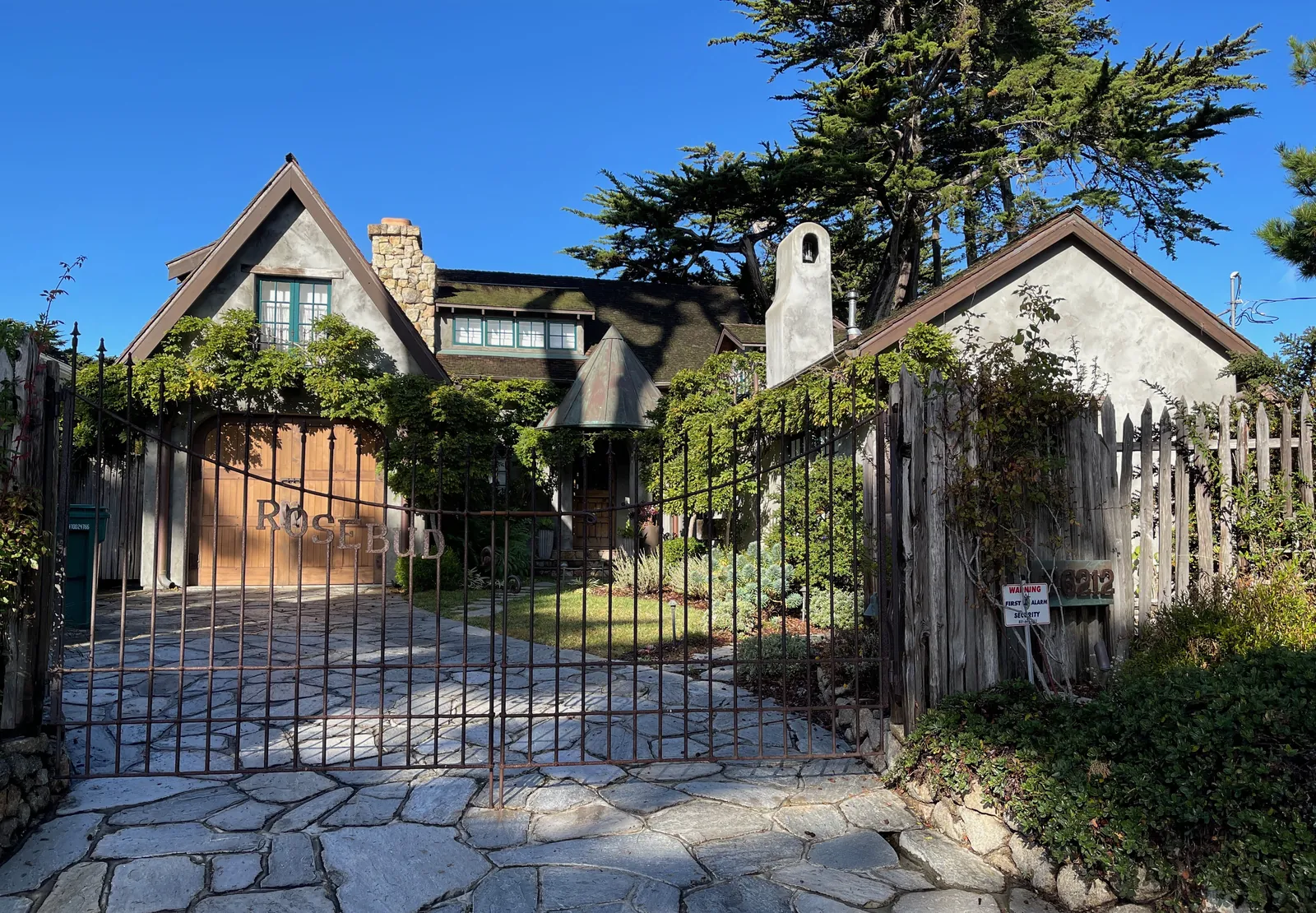
Monterey County's zoning administrator approved several commercial vacation rental permits in the Carmel area on Aug. 27, 2026, while referring other applications to the Planning Commission over concerns about the concentration of rentals on certain blocks. The split decisions reflect the central tension in the county's short-term rental program: individual permits may comply with the rules while clusters of them change the character of a neighborhood.
The referrals centered on areas including Old Drive and the Lower and Upper Trail blocks, where officials worried about how many commercial rentals were accumulating in close proximity. The county's ordinance caps commercial vacation rentals in the Carmel area at 118 units, and with roughly 60 applications in the pipeline, administrators are weighing each approval against the cumulative impact on residential streets.
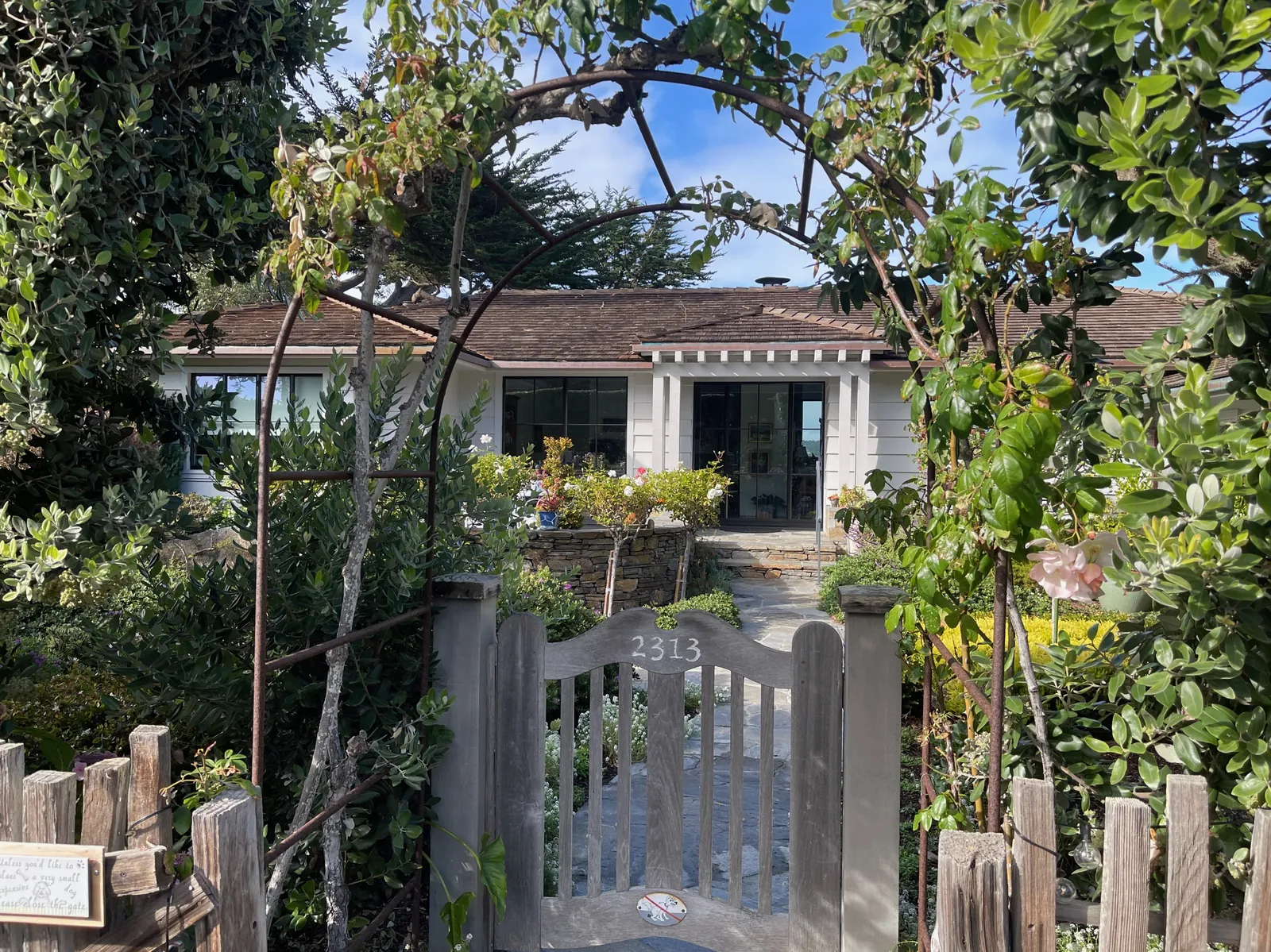
The permit decisions landed about two months after a court ruling that reshaped the legal landscape. In June 2026, a Monterey County judge upheld the county's vacation rental ordinance but "severed" portions the court found discriminatory, striking restrictions on corporate and out-of-state ownership along with excessive penalty fees, according to Monterey County NOW. The ruling left the ordinance's core intact, including the 4 percent cap on commercial rentals in the coastal zone, bans on vacation rentals in Big Sur, Carmel Highlands and Carmel Valley residential zones, and limits on hosted rentals.
The ordinance itself is relatively new. The Board of Supervisors passed it in August 2025 on a 3-2 vote, the Coastal Commission signed off 6-2, and it took effect on Oct. 24, 2025. Its first full year of implementation has been a learning process for applicants, neighbors and staff alike, with the zoning administrator's August hearings offering the clearest picture yet of how concentration concerns will be handled case by case.
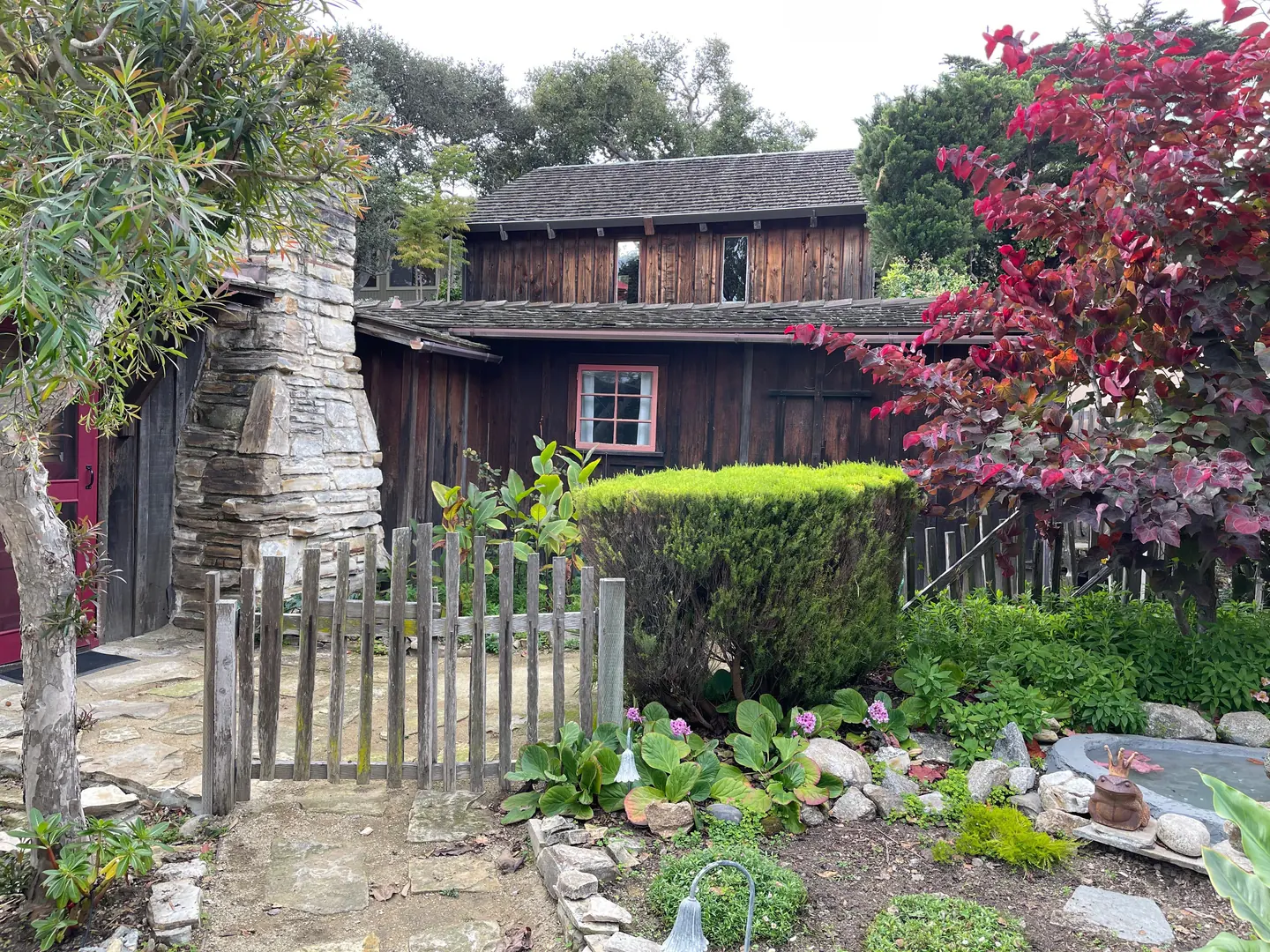
For Carmel-area homeowners, the stakes are concrete. A commercial vacation rental permit can significantly increase a property's income, while neighbors worry about noise, parking and the slow conversion of residential blocks into de facto hotel districts. The referrals to the Planning Commission give those broader questions a fuller public hearing than the zoning administrator's process allows.
What happens next depends on the commission. The referred applications will get a fresh review with concentration as an explicit issue, and the outcomes will set precedents for the dozens of applications still working through the system. With the 118-unit cap looming, every approval brings the Carmel area closer to a hard ceiling that will force even tougher choices.
We correct errors promptly and note them here. Send corrections through the contact form on our contact page.